

By Maxwell Adeyemi
More than two years after fuel subsidy removal, working people are still paying the price for a policy sold as economic salvation. Workers were told subsidy removal would free resources for development, strengthen public services, and improve living standards. Instead, transport costs soared, inflation accelerated, and living standards collapsed.
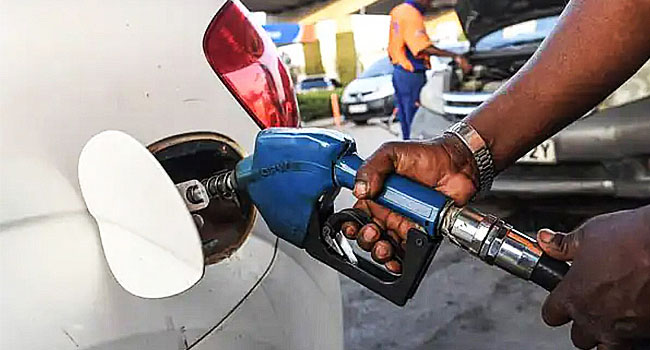
The latest chapter in this story is the much-publicized a 30-day fuel discount announced by this government through the finance minister, Taiwo Oyedele. Nigerians were told petrol would sell at a discounted rate of about ₦1,350 per litre. Yet weeks after the announcement, many stations were still selling at ₦1,405 or even ₦1,500 per litre, leaving motorists confused and frustrated. https://dailypost.ng/2026/10/09/petrol-discount-nnpcl-filling-stations-fuel-pump-price-update/
https://dailypost.ng/2026/10/16/nnpcl-increases-petrol-price-amid-disputed-fuel-discount
This is not simply about fuel prices. It is about credibility. Workers are repeatedly told relief is coming, only to find little or no change in their daily lives.
The pattern is familiar. Citizens were told subsidy removal would create prosperity. They were told savings from subsidy removal would be invested in infrastructure and social welfare. They were told inflation would ease after temporary pain. Yet food prices remain high, transport costs continue to bite, and wages have failed to keep pace with the cost of living.
Now we are told fuel discounts are bringing relief. Yet many workers saw no such relief reflected on the fuel station meter boards. A promise that exists only in press conferences is not relief. Relief must be measured in what workers actually pay.
The problem is deeper than one discount scheme. Fuel pricing remains tied to a system that prioritizes profit over human need. Whether the supplier is an international oil corporation, a state-owned company, or a domestic monopoly, workers continue to bear the burden while others make enormous profits.
The greatest casualty of these policies is trust. Each promise that fails to materialize deepens the sense that working people are expected to endure endless sacrifice while the wealthy remain insulated from the consequences.
This is why the fuel issue must be linked to the struggle for a new minimum wage. If fuel prices continue to rise, then wages must rise accordingly. Workers should not be forced to absorb the costs of policies they neither designed nor benefited from.
The labour movement must reject token discounts and temporary palliatives. What is needed is a serious struggle for a living wage, public investment, affordable transportation, and democratic control of vital economic resources.
Workers were promised relief. What they received was hardship. The answer cannot be patience forever. It must be organization, solidarity, and action.
A living wage now.
Workers should not pay for a crisis they did not create.